


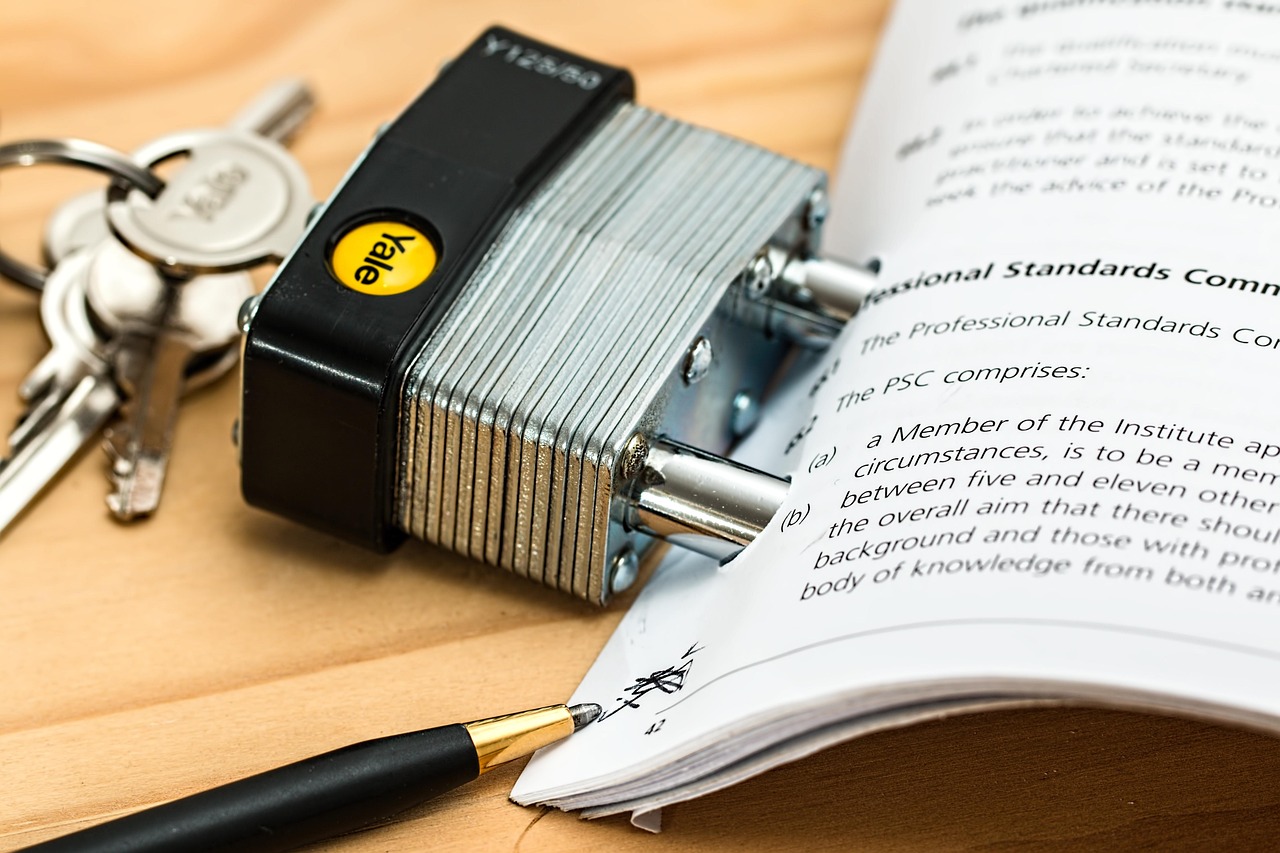

Missing a payment, whether it’s for a credit card, loan, or utility bill, can have serious consequences, impacting your credit score, incurring late fees, and potentially leading to higher interest rates. Avoiding missed payments is crucial for maintaining financial stability and building a strong credit history. This post provides actionable strategies to ensure you never miss a payment again.
Understanding the Impact of Missed Payments
Credit Score Damage
One of the most significant consequences of missed payments is the negative impact on your credit score. Credit scores are calculated based on your payment history, and even a single missed payment can lower your score. According to FICO, payment history accounts for 35% of your credit score, making it the most important factor.
- A lower credit score can make it harder to get approved for loans, credit cards, and even rent an apartment.
- You may also face higher interest rates on loans and credit cards, costing you more money in the long run.
- Example: Missing a credit card payment can drop your credit score by dozens of points, depending on your existing credit profile and the severity of the delinquency.
Late Fees and Increased Interest Rates
In addition to credit score damage, missed payments typically result in late fees. These fees can range from $25 to $50 or more, depending on the creditor’s policies. Furthermore, some credit cards have a “penalty APR,” which means that missing a payment can trigger a significantly higher interest rate on your outstanding balance.
- Late fees add unnecessary expenses to your monthly budget.
- A penalty APR can dramatically increase the cost of carrying a balance on your credit card.
- Example: If your credit card has a 18% APR and you miss a payment, the penalty APR might jump to 29.99%, costing you significantly more on future purchases.
Potential for Collections and Legal Action
If you consistently miss payments, your account may eventually be sent to collections. This will further damage your credit score and could lead to legal action, such as a lawsuit to recover the debt. Collections accounts can stay on your credit report for up to seven years.
- Collections agencies can be aggressive in their attempts to collect the debt.
- A lawsuit can result in a court order to garnish your wages.
- Example: Unpaid medical bills are a common reason for collections and can negatively affect your ability to secure a mortgage or other loans.
Setting Up Automatic Payments
Linking Your Bank Account
One of the easiest and most effective ways to avoid missed payments is to set up automatic payments from your bank account. Most creditors and service providers offer this option. By linking your bank account, you authorize them to automatically withdraw the payment amount on the due date.
- Ensure your bank account has sufficient funds to cover the payment.
- Double-check the payment amount and due date to avoid any errors.
- Example: If you have a student loan, set up automatic payments directly from your checking account to ensure timely payments and often receive a small interest rate reduction for doing so.
Using Credit Card Autopay
You can also use autopay with your credit card to pay other bills. This can be especially useful for bills that don’t offer direct debit from your bank account. However, make sure you’re still paying off your credit card balance in full each month to avoid interest charges.
- Be mindful of your credit utilization ratio (the amount of credit you’re using compared to your credit limit).
- Set up a reminder to review your credit card statement for any unauthorized charges.
- Example: Use your credit card to automatically pay for your streaming services and then pay off the entire balance each month.
Scheduling Recurring Transfers
If you prefer not to give creditors direct access to your bank account, you can schedule recurring transfers from your bank account to your creditor. This involves setting up a recurring payment within your bank’s online banking system.
- Make sure the transfer is scheduled to occur a few days before the actual due date to allow for processing time.
- Regularly review the scheduled transfers to ensure they’re still accurate and appropriate.
- Example: Set up a recurring transfer to your credit card company three days before the payment due date to ensure the payment arrives on time.
Utilizing Payment Reminders and Calendar Alerts
Setting Up Email Reminders
Most creditors and service providers offer email reminders to notify you of upcoming due dates. Take advantage of this feature to stay on top of your payments.
- Ensure the email address associated with your accounts is up-to-date.
- Check your spam folder regularly to ensure important emails aren’t being missed.
- Example: Sign up for email reminders for your mortgage payment to get a notification a week before the due date.
Using Calendar Alerts
In addition to email reminders, use your phone’s calendar or a dedicated budgeting app to set up payment reminders. This can provide an extra layer of protection against missed payments.
- Set reminders for multiple days before the due date to give yourself ample time to make the payment.
- Include details such as the account number and payment amount in the reminder.
- Example: Create a recurring calendar event for your car loan payment that reminds you five days and one day before the due date.
Budgeting Apps and Financial Tools
Many budgeting apps and financial tools can help you track your bills and set up payment reminders. These apps can automatically import your financial data and provide a comprehensive view of your income and expenses.
- Choose an app that offers bill tracking and payment reminder features.
- Regularly review your budget and payment schedule to ensure everything is accurate.
- Example: Use Mint or Personal Capital to track your bills and receive notifications when a payment is due.
Prioritizing and Budgeting for Bills
Creating a Monthly Budget
Creating a monthly budget is essential for managing your finances and ensuring you have enough money to cover your bills. A budget helps you track your income and expenses, identify areas where you can save money, and prioritize your payments.
- List all your income sources and expenses.
- Categorize your expenses (e.g., housing, food, transportation, debt payments).
- Allocate funds for each category and track your spending throughout the month.
Prioritizing Essential Bills
When budgeting, prioritize essential bills such as rent, mortgage, utilities, and debt payments. These bills are crucial for maintaining your living situation and avoiding penalties.
- Ensure you have enough money allocated to cover these bills each month.
- If you’re struggling to make ends meet, explore options such as reducing discretionary spending or seeking assistance programs.
- Example: Ensure that your mortgage and utility bills are paid before allocating funds to entertainment or dining out.
Creating a Bill Payment Schedule
A bill payment schedule helps you organize your bills and ensure you pay them on time. This schedule should include the due date, payment amount, and method of payment for each bill.
- Use a spreadsheet, calendar, or budgeting app to create your schedule.
- Review and update the schedule regularly to reflect any changes in your bills.
- Example: Create a spreadsheet with columns for Bill Name, Due Date, Amount, Payment Method, and Confirmation Number.
Communicating with Creditors
Contacting Creditors Before a Missed Payment
If you anticipate having trouble making a payment, contact your creditor as soon as possible. Many creditors are willing to work with you to find a solution, such as a payment plan or a temporary forbearance.
- Be honest and upfront about your financial situation.
- Explain why you’re having trouble making the payment.
- Example: If you lost your job, contact your credit card company to see if they offer a hardship program or reduced interest rate.
Understanding Payment Options
Creditors may offer various payment options, such as payment plans, deferments, or forbearances. Understand the terms and conditions of each option before agreeing to it.
- A payment plan allows you to make smaller payments over a longer period.
- A deferment or forbearance temporarily suspends your payments.
- Example: Ask your student loan servicer about income-driven repayment plans if you’re struggling to afford your monthly payments.
Negotiating Lower Interest Rates
In some cases, you may be able to negotiate a lower interest rate with your creditor. This can help reduce your monthly payments and make it easier to manage your debt.
- Research average interest rates for similar products.
- Explain why you deserve a lower interest rate (e.g., good credit history, long-term customer).
- Example: Contact your credit card company and ask for a lower interest rate, citing your responsible payment history.
Seeking Professional Financial Advice
Consulting a Financial Advisor
If you’re struggling to manage your finances and avoid missed payments, consider consulting a financial advisor. A financial advisor can help you create a budget, manage your debt, and develop a long-term financial plan.
- Choose a financial advisor who is experienced and knowledgeable.
- Ensure the advisor is a fiduciary, meaning they are legally obligated to act in your best interest.
- Example: Work with a certified financial planner (CFP) to create a comprehensive financial plan that includes debt management and budgeting strategies.
Working with a Credit Counselor
A credit counselor can help you develop a debt management plan and negotiate with your creditors. Credit counseling is often a free or low-cost service.
- Choose a credit counseling agency that is accredited and non-profit.
- Be wary of companies that promise unrealistic results or charge high fees.
- Example: Contact the National Foundation for Credit Counseling (NFCC) to find a reputable credit counseling agency in your area.
Conclusion
Avoiding missed payments is crucial for maintaining financial stability and protecting your credit score. By implementing strategies such as setting up automatic payments, utilizing payment reminders, prioritizing bills, communicating with creditors, and seeking professional financial advice, you can significantly reduce the risk of missing a payment and ensure a brighter financial future. Taking proactive steps to manage your finances will save you money, reduce stress, and pave the way for long-term financial success.