


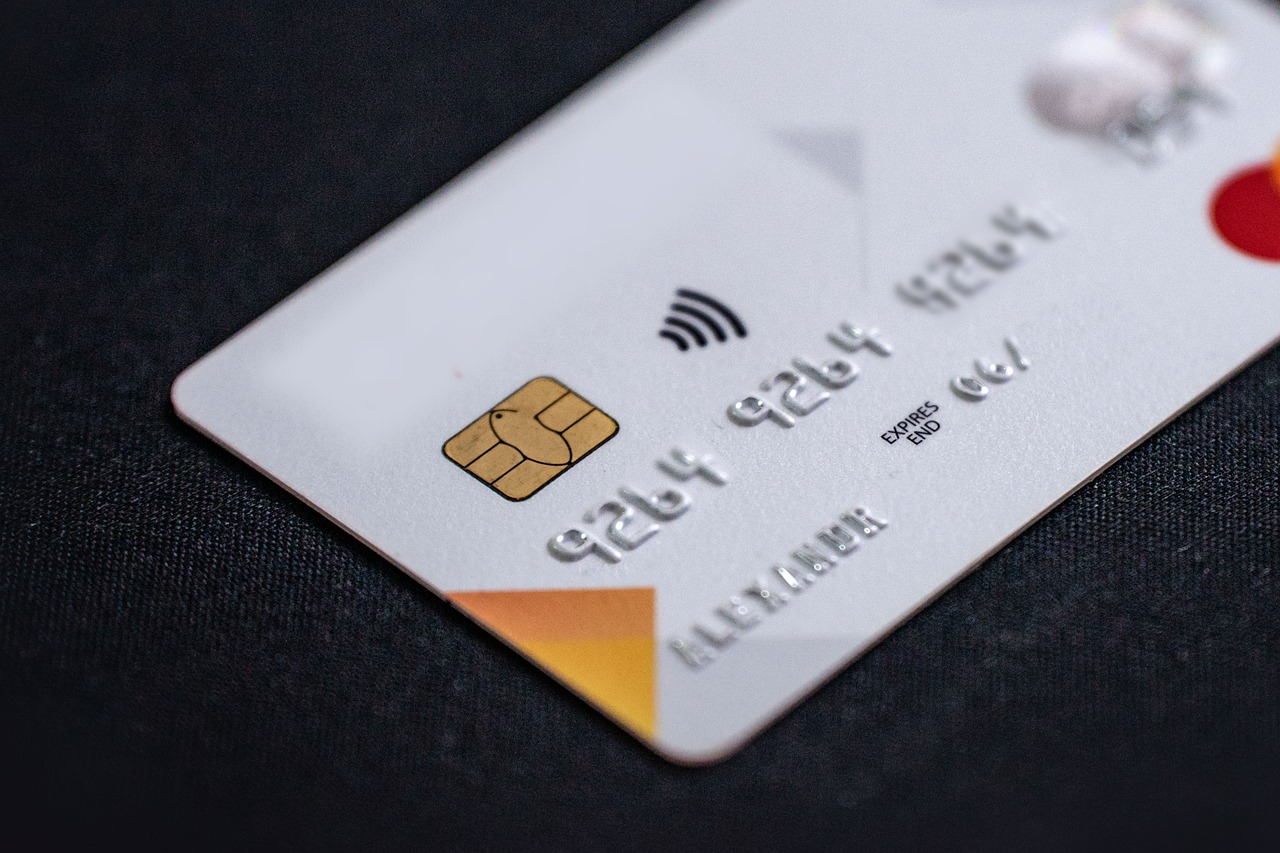

Navigating the world of credit cards can feel overwhelming, especially when you’re just starting out. But understanding how credit cards work and using them responsibly is a crucial step in building a solid financial future. This guide provides a comprehensive overview of credit cards for beginners, covering everything from selecting the right card to managing your credit effectively.
Understanding Credit Cards: The Basics
What is a Credit Card?
A credit card is a payment card issued to users (cardholders) to enable them to purchase goods and services on credit. The cardholder agrees to pay back the borrowed money, plus any applicable interest and fees, either in full or in installments. Think of it as a short-term loan that you repay each month.
- Credit Limit: The maximum amount you can charge to your credit card.
- Available Credit: The difference between your credit limit and your current balance.
- Minimum Payment: The smallest amount you must pay each month to avoid late fees and maintain a good credit standing.
- Annual Percentage Rate (APR): The interest rate you’re charged on outstanding balances if you don’t pay your balance in full each month.
How Credit Cards Work: A Simple Example
Imagine you have a credit card with a $1,000 credit limit. You use the card to buy a new laptop for $500.
Why Use a Credit Card?
- Build Credit History: Responsible credit card use is a key factor in building a positive credit score. A good credit score is essential for getting loans, renting an apartment, and even securing some jobs.
- Convenience: Credit cards are more convenient than carrying cash, especially for online purchases.
- Rewards and Perks: Many credit cards offer rewards like cash back, travel miles, or points that can be redeemed for merchandise or experiences.
- Purchase Protection: Some credit cards offer protection against fraud or damage to purchases.
- Emergency Funds: A credit card can provide access to funds in case of unexpected expenses.
Choosing the Right Credit Card
Credit Card Types for Beginners
There are several types of credit cards suitable for beginners:
- Student Credit Cards: Designed for college students with limited credit history.
Example: Discover it Student Cash Back, Journey Student Rewards from Capital One. These cards often have lower credit limits and rewards programs geared towards student spending.
- Secured Credit Cards: Require a cash deposit as collateral, which serves as your credit limit. They are easier to get approved for, even with bad or no credit.
Example: Discover it Secured Credit Card, Capital One Secured Mastercard. These are excellent tools for building credit, as your responsible use is reported to credit bureaus.
- Retail Store Credit Cards: Offered by specific retailers, often with rewards for purchases at that store.
Example: Target REDcard, Amazon Prime Rewards Visa Signature Card. These can be useful if you frequently shop at the issuing retailer, but often come with higher APRs.
- Unsecured Credit Cards for Fair Credit: If you have some credit history (even if it’s not perfect), you might qualify for an unsecured card designed for people with fair credit.
Example: Capital One Platinum Credit Card, Credit One Bank Platinum Visa. These generally have lower rewards, but can be a good stepping stone to better cards.
Factors to Consider When Choosing a Card
- APR: Compare the APR across different cards. A lower APR means you’ll pay less in interest if you carry a balance.
- Fees: Watch out for annual fees, late payment fees, and foreign transaction fees.
- Rewards: Consider the rewards program and how well it aligns with your spending habits. Do you prefer cash back, travel miles, or points?
- Credit Limit: Determine if the credit limit offered is sufficient for your needs without being too high (which can tempt you to overspend).
- Other Perks: Some cards offer benefits like travel insurance, rental car insurance, or purchase protection.
- Ease of Approval: If you have limited credit history, focus on cards that are easier to get approved for, like student or secured credit cards.
Example: Comparing Two Credit Card Options
Let’s say you’re a student looking for a credit card. You’re considering the “Discover it Student Cash Back” card and a store credit card from your favorite clothing store.
| Feature | Discover it Student Cash Back | Store Credit Card |
| —————- | ——————————- | —————– |
| APR | 18.24% – 27.24% Variable | 29.99% |
| Annual Fee | $0 | $0 |
| Rewards | 5% cash back on rotating categories (up to quarterly maximum), 1% on all other purchases | 5% discount on store purchases |
| Other Benefits | Credit Scorecard, Intro APR offer | Exclusive sales access |
The Discover it Student Cash Back card may be the better option due to its broader rewards program, lower APR (potentially), and valuable credit-building features. The store card’s higher APR could quickly offset any savings from the discounts.
Building and Maintaining Good Credit
Understanding Your Credit Score
Your credit score is a three-digit number that represents your creditworthiness. It’s based on your credit history and is used by lenders to assess the risk of lending you money. The most common credit scoring model is FICO.
- Excellent: 800-850
- Very Good: 740-799
- Good: 670-739
- Fair: 580-669
- Poor: 300-579
A good credit score can help you qualify for lower interest rates on loans, better credit card offers, and even lower insurance premiums.
Key Factors Affecting Your Credit Score
- Payment History (35%): Making on-time payments is the most important factor.
- Amounts Owed (30%): Keeping your credit utilization low (ideally below 30% of your credit limit) is crucial.
- Length of Credit History (15%): The longer your credit history, the better.
- Credit Mix (10%): Having a mix of different types of credit (e.g., credit cards, loans) can be beneficial.
- New Credit (10%): Opening too many new accounts in a short period can lower your score.
Tips for Building and Maintaining Good Credit
- Pay Your Bills On Time, Every Time: Set up automatic payments to avoid late fees and negative impacts on your credit score. Even one late payment can significantly harm your credit.
- Keep Your Credit Utilization Low: Aim to use less than 30% of your available credit on each card. For example, if you have a $1,000 credit limit, try to keep your balance below $300.
- Monitor Your Credit Report Regularly: Check your credit report for errors and signs of identity theft. You can get a free credit report from each of the three major credit bureaus (Equifax, Experian, and TransUnion) once a year at AnnualCreditReport.com.
- Avoid Applying for Too Many Credit Cards at Once: Each application can result in a hard inquiry on your credit report, which can slightly lower your score.
- Don’t Close Old Credit Card Accounts: Unless you have a compelling reason (e.g., high annual fee), keeping old accounts open can help increase your credit history length and lower your credit utilization ratio.
- Use Your Credit Card Regularly (But Responsibly): Make small purchases each month and pay them off in full to show that you’re actively using and managing your credit.
Managing Your Credit Card Responsibly
Creating a Budget
A budget is essential for managing your finances and avoiding credit card debt.
- Track Your Income and Expenses: Use a budgeting app, spreadsheet, or notebook to track where your money is going.
- Prioritize Essential Expenses: Allocate funds for housing, food, transportation, and other necessities first.
- Set Spending Limits: Establish limits for discretionary spending like entertainment, dining out, and shopping.
- Allocate Funds for Credit Card Payments: Make sure to budget enough money to pay off your credit card balance in full each month.
Avoiding Credit Card Debt
- Pay Your Balance in Full Every Month: This is the most effective way to avoid interest charges.
- Avoid Cash Advances: Cash advances often come with high fees and interest rates.
- Don’t Spend More Than You Can Afford: Stick to your budget and avoid impulse purchases.
- Be Wary of Balance Transfers: While balance transfers can save you money on interest, make sure you understand the fees and terms.
- Consider a Debt Management Plan: If you’re struggling with credit card debt, consider working with a credit counseling agency to develop a debt management plan.
Recognizing and Avoiding Credit Card Scams
- Be wary of unsolicited offers: Be cautious of emails, phone calls, or mailings offering credit cards with guaranteed approval or unusually low interest rates.
- Protect your personal information: Never share your credit card number, Social Security number, or other sensitive information with unverified sources.
- Review your statements carefully: Look for unauthorized charges or suspicious activity on your credit card statements.
- Use secure websites: When making online purchases, make sure the website is secure (look for “https” in the URL).
- Beware of phishing scams: Phishing scams attempt to trick you into providing personal information by posing as legitimate companies or organizations.
Conclusion
Credit cards can be a powerful tool for building credit and managing your finances, but it’s crucial to use them responsibly. By understanding the basics of credit cards, choosing the right card for your needs, building good credit habits, and managing your credit card wisely, you can set yourself up for financial success. Remember, responsible credit card use is a marathon, not a sprint, so start building those good habits early!