


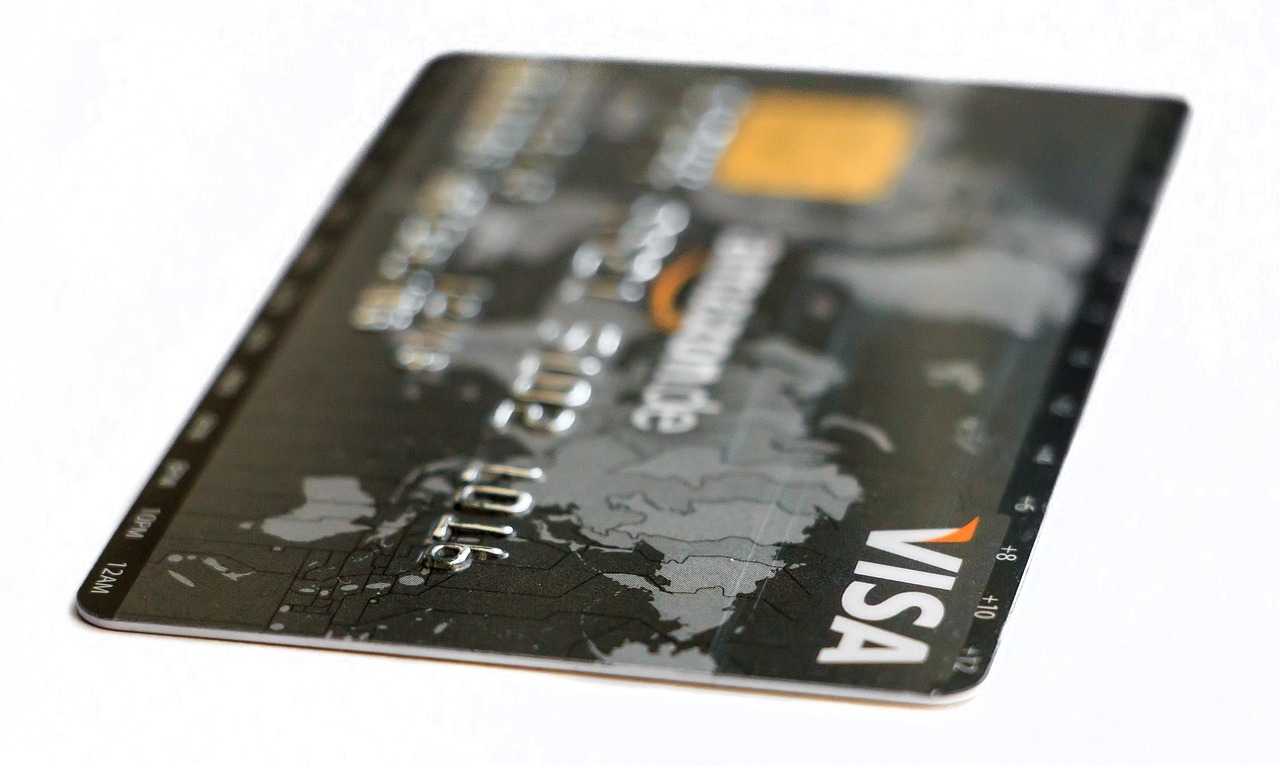

Navigating the world of credit cards can feel like deciphering a foreign language. Between APRs, credit limits, and rewards programs, it’s easy to get lost in the jargon. Understanding the key terms associated with credit cards is essential for making informed financial decisions, avoiding unnecessary fees, and ultimately building a strong credit history. This guide will break down the most important credit card terms, empowering you to use your credit cards wisely and achieve your financial goals.
Understanding Your APR: Annual Percentage Rate
The Annual Percentage Rate (APR) is arguably the most critical credit card term to understand. It represents the yearly cost of borrowing money on your credit card. Different APRs apply to different transactions and depend on your creditworthiness.
Purchase APR
- The Purchase APR applies to purchases you make with your credit card. This is the APR that most people are concerned about.
- Example: If you carry a balance of $1,000 on your credit card with a purchase APR of 20%, you’ll accrue $200 in interest over a year if you don’t pay it off.
- Tip: Always aim to pay your balance in full each month to avoid incurring interest charges on your purchases.
Cash Advance APR
- Cash advances are typically much more expensive than regular purchases. They often come with a higher APR and immediate interest accrual.
- Example: A cash advance APR might be 25%, with no grace period, meaning interest begins accruing from the moment you withdraw the cash.
- Caution: Cash advances should be avoided whenever possible due to their high cost.
Balance Transfer APR
- A balance transfer involves transferring the balance from one credit card to another, often to take advantage of a lower APR.
- Example: Some cards offer introductory 0% APR periods for balance transfers. However, be aware of balance transfer fees, which are usually a percentage of the amount transferred.
- Actionable Takeaway: Consider balance transfers strategically to save money on interest, but always factor in transfer fees and the duration of the promotional period.
Penalty APR
- The Penalty APR is a high APR that can be triggered if you make a late payment or exceed your credit limit.
- Example: Missing a payment due date might cause your APR to jump to a penalty rate of 29.99% or even higher.
- Prevention: Set up automatic payments to avoid late fees and potential penalty APRs.
Decoding Fees: What You Need to Know
Credit cards come with a variety of fees, some more common than others. Understanding these fees helps you avoid unnecessary costs.
Annual Fee
- An annual fee is a yearly charge for owning a credit card.
- Pros: Cards with annual fees often offer more lucrative rewards programs or benefits that can offset the fee if used strategically.
- Cons: If you don’t utilize the rewards or benefits, the annual fee might not be worth it.
- Example: A travel rewards card might have a $95 annual fee but offer free checked bags and bonus points on travel purchases.
Late Payment Fee
- A late payment fee is charged when you fail to make your minimum payment by the due date.
- Impact: Late payments can also negatively affect your credit score and potentially trigger a penalty APR.
- Prevention: Set up payment reminders and automatic payments to avoid late fees.
Over-the-Limit Fee
- An over-the-limit fee is charged if you spend more than your credit limit. Many cards no longer charge this fee, but it’s important to check your card agreement.
- Recommendation: Stay within your credit limit to avoid this fee (if applicable).
Foreign Transaction Fee
- Foreign transaction fees are charged when you make purchases in a foreign currency or when your transaction is processed outside of the United States.
- Solution: Use a credit card with no foreign transaction fees when traveling internationally.
Understanding Your Credit Limit and Utilization
Your credit limit is the maximum amount you can charge to your credit card. Credit utilization is the amount of credit you’re using compared to your total available credit.
Calculating Credit Utilization
- Credit utilization is a crucial factor in your credit score. It’s calculated by dividing your outstanding balance by your credit limit.
- Formula: (Outstanding Balance / Credit Limit) x 100 = Credit Utilization Percentage
- Example: If you have a credit limit of $5,000 and a balance of $1,000, your credit utilization is 20%.
Ideal Credit Utilization
- Experts recommend keeping your credit utilization below 30% and ideally below 10%.
- Impact of High Utilization: High credit utilization can negatively affect your credit score, signaling to lenders that you may be overextended.
- Tip: Make multiple payments throughout the month to keep your credit utilization low.
Grace Period: Your Interest-Free Window
The grace period is the time between the end of your billing cycle and the date your payment is due. During this time, you won’t be charged interest on new purchases if you pay your balance in full by the due date.
How it Works
- Most credit cards offer a grace period of at least 21 days.
- Example: If your billing cycle ends on the 1st of the month, and your payment is due on the 25th, you have a 24-day grace period.
- Important Note: The grace period typically doesn’t apply to cash advances.
Losing Your Grace Period
- If you carry a balance from month to month, you generally lose the grace period on new purchases. Interest will begin accruing immediately.
- Regaining the Grace Period: To regain the grace period, you must pay your balance in full for several consecutive billing cycles.
Minimum Payment vs. Statement Balance
Understanding the difference between the minimum payment and the statement balance is crucial for avoiding long-term debt.
Minimum Payment
- The minimum payment is the smallest amount you’re required to pay each month to avoid late fees and damage to your credit score.
- Pitfalls: Paying only the minimum payment can result in significant interest charges and prolong the time it takes to pay off your balance.
- Example: On a $2,000 balance with an APR of 18%, paying only the minimum payment (typically 1-3% of the balance) could take years to pay off and result in hundreds of dollars in interest.
Statement Balance
- The statement balance is the total amount you owe on your credit card at the end of the billing cycle.
- Benefit of Paying in Full: Paying the statement balance in full each month allows you to avoid interest charges and maintain a healthy credit score.
Conclusion
Understanding credit card terms is essential for responsible credit card usage. By familiarizing yourself with APRs, fees, credit limits, and other key terms, you can make informed decisions, avoid unnecessary costs, and build a strong credit history. Remember to always read your credit card agreement carefully and prioritize paying your balance in full each month to maximize the benefits and minimize the risks associated with credit cards.