


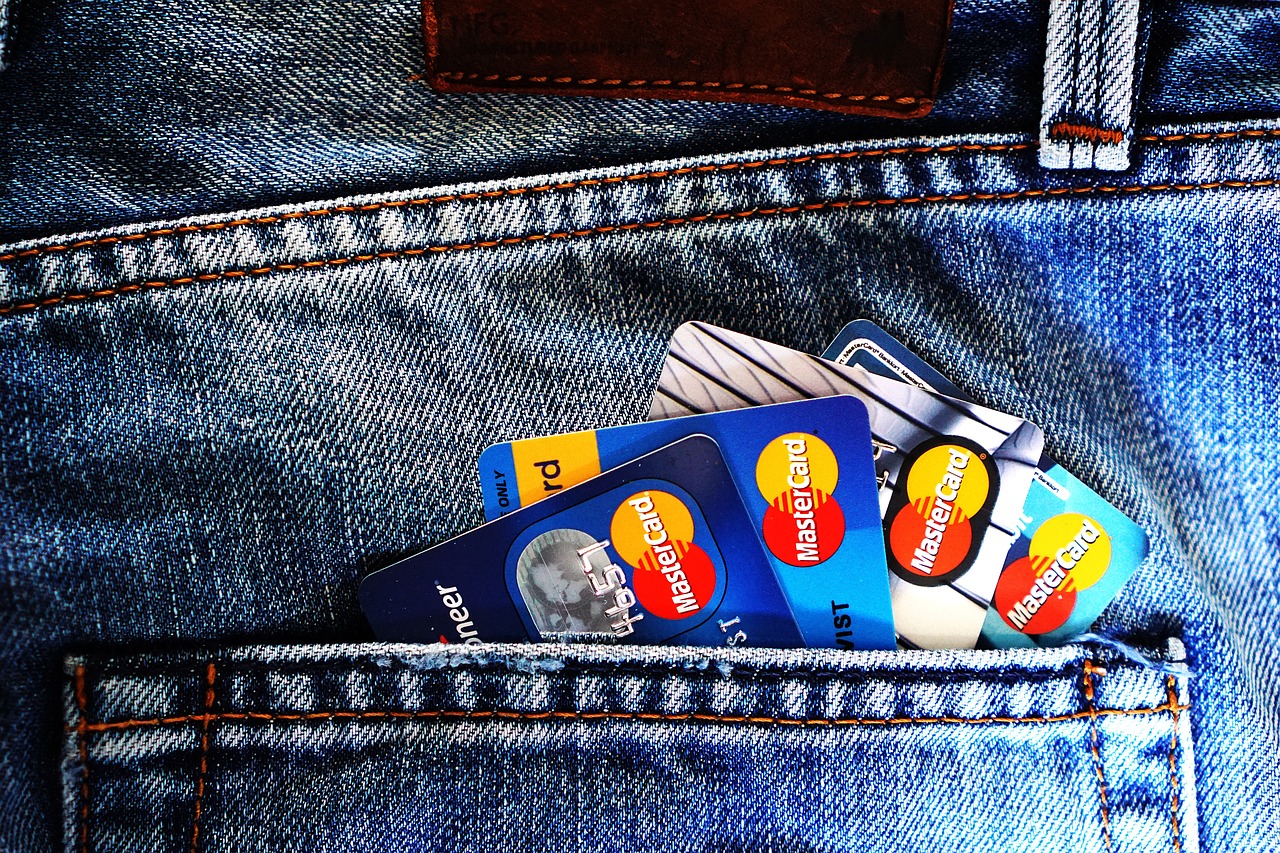

Applying for your first credit card is a rite of passage, marking a significant step towards financial independence. For students, a student credit card can be a powerful tool, offering a chance to build credit history while still in school. However, navigating the world of credit cards can be confusing. This guide will provide you with everything you need to know about student credit cards, from understanding their benefits to choosing the right one for your needs and managing it responsibly.
What is a Student Credit Card?
Defining a Student Credit Card
A student credit card is a credit card specifically designed for college students and young adults with limited or no credit history. These cards generally have easier approval requirements than traditional credit cards, making them accessible to students who may not have established a strong credit profile.
Key Differences from Regular Credit Cards
- Lower Credit Limits: Student cards often start with lower credit limits, typically ranging from $300 to $1,000. This helps prevent overspending and encourages responsible credit use.
- Eased Approval Requirements: As mentioned, approval criteria are generally less stringent than for standard credit cards.
- Educational Resources: Many student credit card issuers offer educational resources and tools to help students understand credit and manage their finances.
- Rewards Programs: Some student cards offer rewards programs, though these may be less generous than those found on premium credit cards.
Why Students Should Consider a Credit Card
- Building Credit History: The primary benefit is establishing a positive credit history, which is crucial for future loans, mortgages, and even renting an apartment.
- Financial Responsibility: Learning to manage credit responsibly is a valuable life skill.
- Convenience: Credit cards offer a convenient way to make purchases, especially online or when traveling.
- Emergency Fund: A credit card can act as a safety net for unexpected expenses.
How to Choose the Right Student Credit Card
Assessing Your Needs and Spending Habits
Before applying for a student credit card, it’s important to assess your needs and spending habits.
- Track Your Expenses: Monitor where your money goes each month to understand your typical spending categories.
- Set a Budget: Create a budget to ensure you can afford to repay your credit card balance each month.
- Identify Potential Benefits: Consider which rewards categories align with your spending habits (e.g., travel, dining, cash back).
Comparing Different Card Options
- Annual Fees: Some student cards charge annual fees, while others don’t. Opt for a no-annual-fee card if possible, especially when just starting out.
- Interest Rates (APR): Compare the APR (Annual Percentage Rate) of different cards. A lower APR means lower interest charges if you carry a balance.
- Rewards Programs: Evaluate the rewards programs offered by different cards. Look for cards that offer bonus rewards in categories you frequently spend in. For example, a card that offers 2% cash back on gas and restaurants could be beneficial if those are your main expenses.
- Other Fees: Check for any other potential fees, such as late payment fees or over-limit fees.
Key Features to Look For
- No Annual Fee: As mentioned earlier, this is highly desirable.
- Low APR: Especially important if you anticipate carrying a balance.
- Introductory Offers: Some cards offer introductory 0% APR periods or bonus rewards for new cardholders.
- Credit Score Monitoring: Some cards provide free credit score monitoring to help you track your progress.
- Educational Resources: Look for cards that offer resources to help you learn about credit and financial management.
Building Credit Responsibly
Making On-Time Payments
- Payment Due Dates: Always pay your credit card bill on time to avoid late fees and negative impacts on your credit score.
- Automatic Payments: Set up automatic payments to ensure you never miss a due date. You can typically set this up for the minimum payment or the full statement balance.
- Impact of Late Payments: Even a single late payment can negatively affect your credit score.
Keeping Credit Utilization Low
- Credit Utilization Ratio: Credit utilization is the amount of credit you’re using compared to your total credit limit. Aim to keep it below 30%. For example, if you have a $1,000 credit limit, try to keep your balance below $300.
- Benefits of Low Utilization: Lower credit utilization demonstrates responsible credit management and can improve your credit score.
- Strategies for Managing Utilization: Pay down your balance frequently throughout the month or request a credit limit increase (after demonstrating responsible use).
Avoiding Common Credit Card Mistakes
- Overspending: Avoid charging more than you can afford to repay. Stick to your budget and only use your credit card for necessary purchases.
- Cash Advances: Cash advances typically come with high fees and interest rates. Avoid using your credit card for cash advances unless absolutely necessary.
- Minimum Payments: Paying only the minimum payment can lead to high interest charges and a slow repayment process. Always aim to pay more than the minimum.
Additional Tips for Student Credit Card Users
Monitoring Your Credit Report
- Free Credit Reports: You are entitled to a free credit report from each of the three major credit bureaus (Equifax, Experian, and TransUnion) annually. Visit AnnualCreditReport.com to access your free reports.
- Identifying Errors: Review your credit reports for any errors or inaccuracies. If you find any, dispute them with the credit bureau.
- Importance of Regular Monitoring: Regular monitoring helps you identify potential fraud or identity theft early on.
Understanding Credit Scores
- Credit Score Ranges: Understand the different credit score ranges and what they mean. FICO scores, for example, range from 300 to 850.
- Factors Affecting Credit Scores: Learn about the factors that influence your credit score, such as payment history, credit utilization, and length of credit history.
- Improving Your Credit Score: Implement strategies to improve your credit score, such as making on-time payments and keeping credit utilization low.
Graduation and Beyond
- Upgrading Your Card: After graduation, consider upgrading to a traditional credit card with better rewards and benefits.
- Closing Your Student Card: If you decide to close your student card, do so responsibly. Pay off the balance in full and close the account in good standing. Closing an old credit card can sometimes negatively impact your credit score, so consider the implications before closing.
- Continuing Responsible Credit Use: Continue to use credit responsibly to maintain a strong credit history for future financial goals.
Conclusion
Student credit cards are valuable tools for building credit and learning financial responsibility. By carefully choosing the right card, managing your spending wisely, and making on-time payments, you can establish a strong credit foundation that will benefit you for years to come. Remember to monitor your credit report regularly and stay informed about best practices for credit management. Take control of your financial future by making informed decisions and using your student credit card responsibly.